
Table of Contents
Introduction
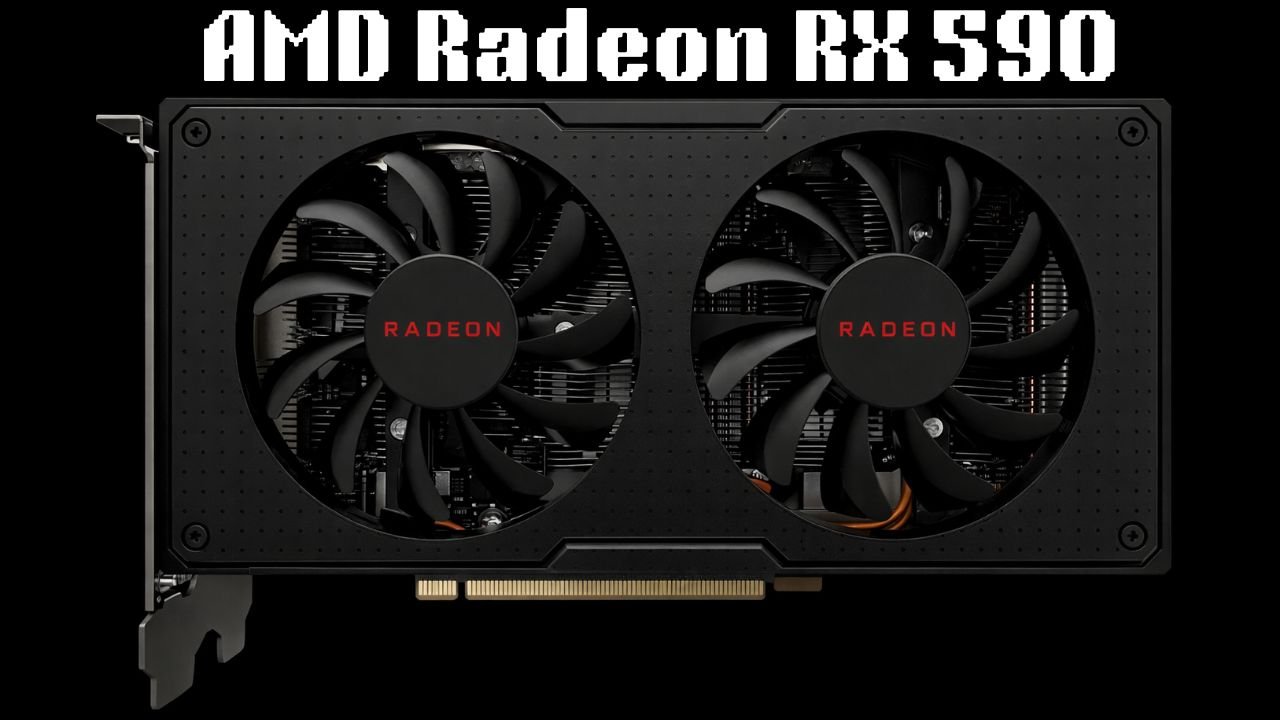
The RX 590 still shows up frequently in the used GPU market. Maybe you’ve found one at an attractive price, or maybe it’s already installed in your PC and you’re wondering how well it holds up today. Since this graphics card is several years old, it’s fair to ask whether it’s still worth using or buying in 2026.
In this guide, we’ll look at real-world gaming performance, compare it with similar GPUs, and help you decide if this card is still a sensible choice, or something you should skip.
Specifications
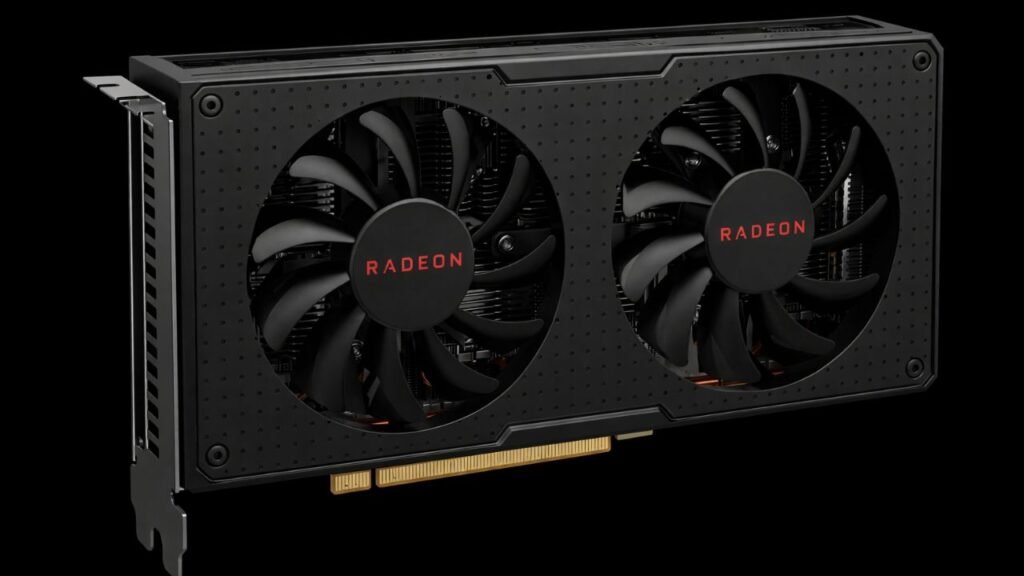
| Specification | Details |
|---|---|
| GPU Name | Polaris 30 |
| Release Date | November 15, 2018 |
| Architecture | GCN 4.0 |
| Stream Processors | 2304 |
| Base / Boost Clock | 1469 MHz / 1545 MHz |
| VRAM | 8GB GDDR5 |
| Memory Bus | 256-bit |
| Memory Speed | 8 Gbps |
| Memory Bandwidth | 256 GB/s |
| TDP | 175W |
| Recommended PSU | 500W |
| PCIe Interface | PCIe 3.0 x16 |
| DirectX Support | DirectX 12 |
In simple terms: this card offers decent VRAM for modern games, but its older architecture means higher power usage and lower efficiency than newer GPUs.
What These Specs Mean
The RX 590 was a mid-range 1080p gaming card when it launched in 2018. Its 8GB of VRAM still helps with modern textures, but the older Polaris architecture consumes more power and produces more heat than newer designs.
Performance-wise, it sits slightly above the RX 580, but far below modern mid-range GPUs available today.
RX 590 Release Date & Age
The AMD Radeon RX 590 launched in November 2018, making it over 7 years old in 2026. It’s based on AMD’s Polaris architecture, which was already nearing the end of its life cycle when this card released.
Because of its age:
- Modern games are far more demanding
- Driver optimizations focus on stability, not performance
- Power efficiency is noticeably worse than newer GPUs
Age alone doesn’t make a GPU useless, but it does mean expectations need to be realistic.
RX 590 Gaming Performance
This card handles most esports games comfortably at high settings. Popular competitive titles run smoothly, with responsive gameplay and stable frame rates, making it a solid choice for shooters and online multiplayer games.
Lowering settings from High to Medium doesn’t impact esports performance much, but it can make frame rates more stable during intense moments for smoother gameplay.
High settings in modern AAA games can strain this card, with frame drops in heavier scenes.
Medium settings are the sweet spot for modern AAA games. Reducing visual effects lowers GPU load and keeps performance more stable, making most titles playable, though very demanding scenes may still dip.
RX 590 vs RX 580
| Specification | RX 580 | RX 590 |
|---|---|---|
| Architecture | Polaris (14nm) | Polaris (12nm refresh) |
| Stream Processors | 2304 | 2304 |
| Base Clock | 1257 MHz | 1469 MHz |
| Boost Clock | ~1340 MHz | 1545 MHz |
| VRAM | 8GB GDDR5 | 8GB GDDR5 |
| Memory Bus | 256-bit | 256-bit |
| Memory Bandwidth | 256 GB/s | 256 GB/s |
| Typical Power Draw | 185W | 225W |
| PCIe Interface | PCIe 3.0 | PCIe 3.0 |
Note: The 590 is only slightly faster than the 580, offering about a 5–10% boost in 1080p performance. It runs hotter and uses more power, so it’s worth it only if the price difference is small.
RX 590 vs GTX 1660 Super
| Specification | RX 590 | GTX 1660 Super |
|---|---|---|
| Architecture | Polaris (GCN) | Turing |
| Release Year | 2018 | 2019 |
| VRAM | 8GB GDDR5 | 6GB GDDR6 |
| Memory Bus | 256-bit | 192-bit |
| Memory Bandwidth | 256 GB/s | 336 GB/s |
| TDP | 175–225W | 125W |
| PSU Recommendation | 500W | 450W |
| Ray Tracing | ❌ No | ❌ No |
| DLSS Support | ❌ No | ❌ No |
Note: The GTX 1660 Super is not just faster, it’s also more power-efficient and runs cooler than the RX 590. Even with less VRAM, it handles modern games better thanks to a newer architecture and faster memory.
RX 590 Used Price in 2026
Used GPU prices vary depending on region and availability. Always compare multiple listings before buying.
Tip: If this card costs close to newer options like the RX 5500 XT or GTX 1660, skip it. You’ll get better efficiency, performance, and longer driver relevance with newer cards.
Power Consumption & Efficiency
The RX 590 is known for its high power consumption. While it delivers acceptable 1080p performance, it does so by drawing more power than newer GPUs with similar results.
In everyday use, this means:
- Higher electricity usage
- More heat inside your case
- Louder fans under load
It’s not a deal-breaker, but it’s something to keep in mind.
Drivers & Software Support
This card is built on AMD’s older Polaris architecture, so it no longer receives major performance optimizations. AMD still provides driver updates focused on stability and game compatibility, which keeps the card usable for existing titles.
For best results, always install the latest available drivers directly from AMD’s official website.
Note: RX 590 drivers are stable, but future updates won’t significantly improve performance.
Who Should Buy the RX 590?
The RX 590 makes sense only as a budget, short-term option.
Consider it if:
- You want a simple, plug-and-play experience
- You mainly play esports titles
- You game at 1080p and are fine with medium settings
- You’re upgrading from much older GPUs like GTX 960 or RX 470
Avoid it if you want:
- Long-term driver optimization
- Strong performance in new AAA games
- Low power usage and quiet operation
Final Verdict
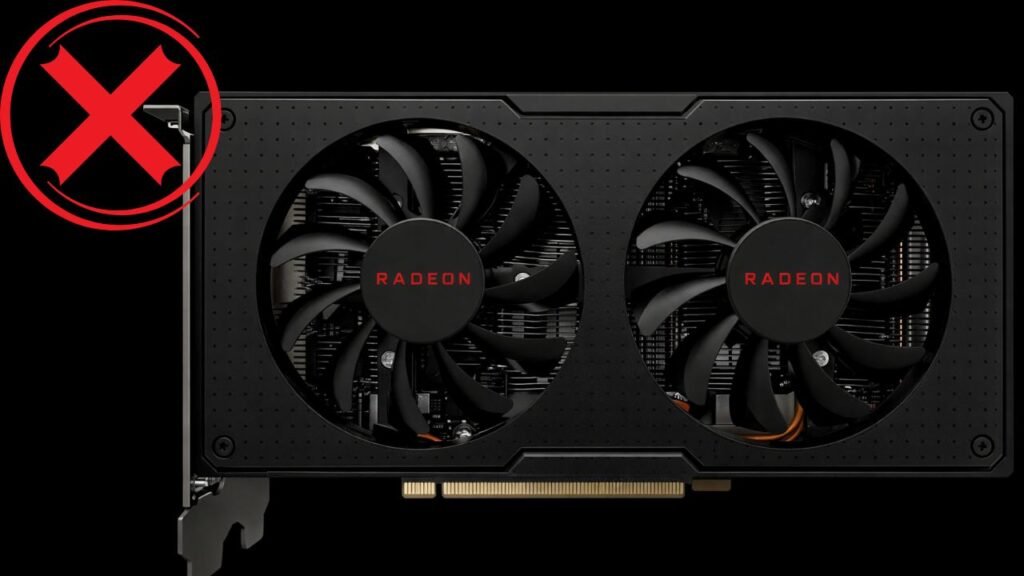
The RX 590 isn’t a modern graphics card, and it doesn’t pretend to be. What it offers is usable 1080p gaming for budget-focused buyers in the used market.
If you mostly play esports or older games and find it at the right price, it can still get the job done. But for new AAA titles, better efficiency, or long-term value, newer GPUs make far more sense.
Right price? Good buy.
Wrong price? Walk away.
